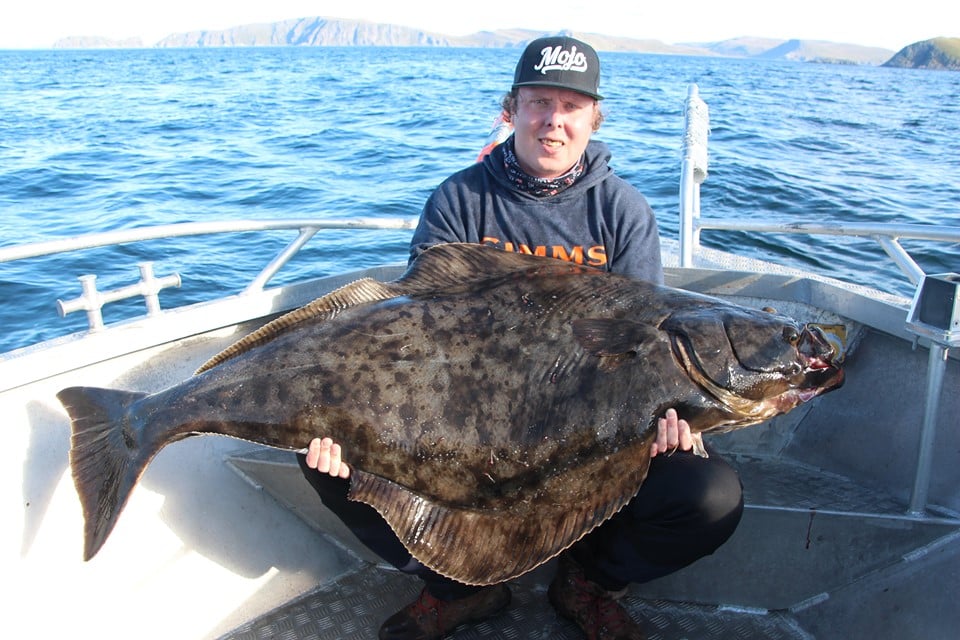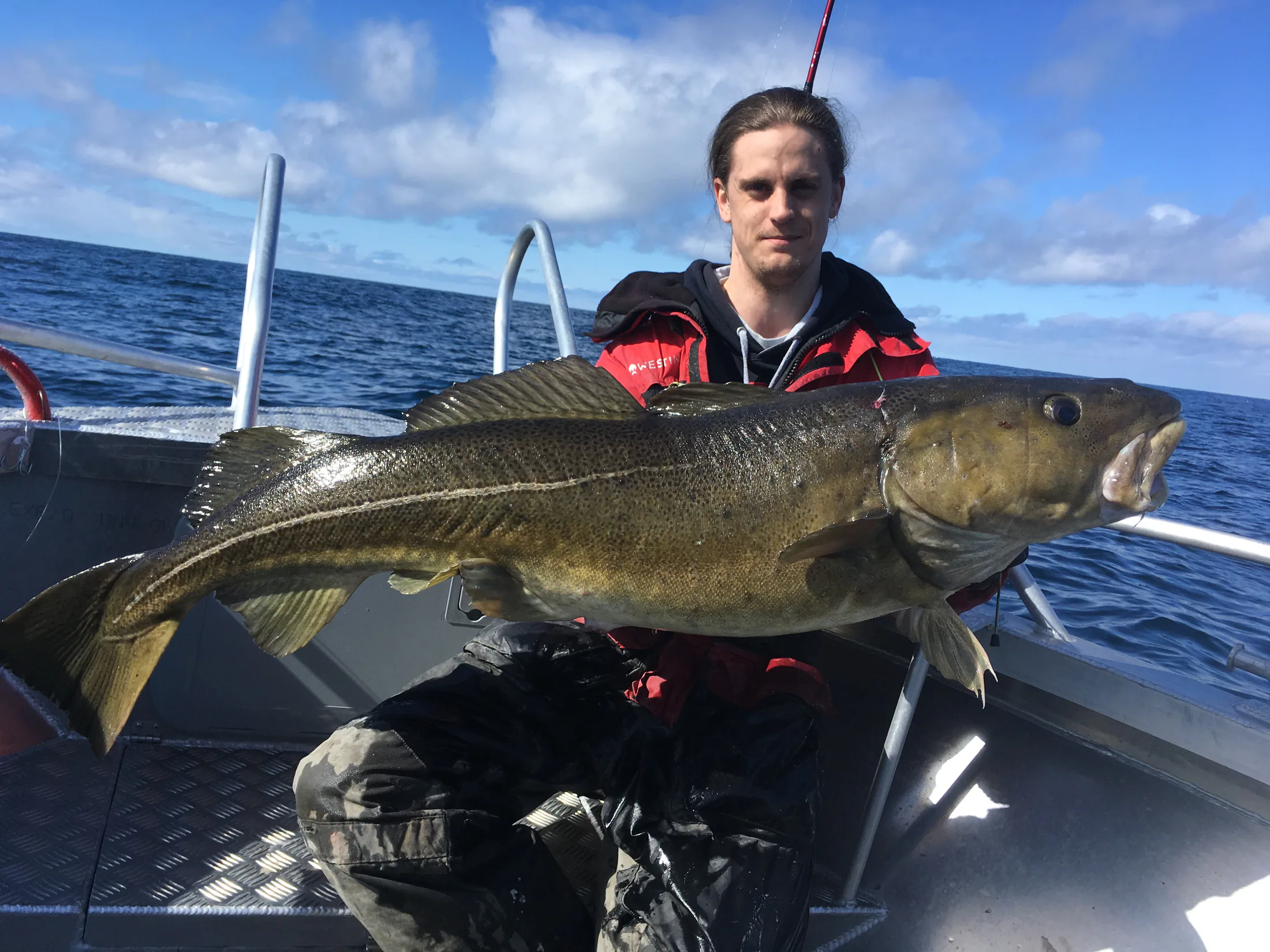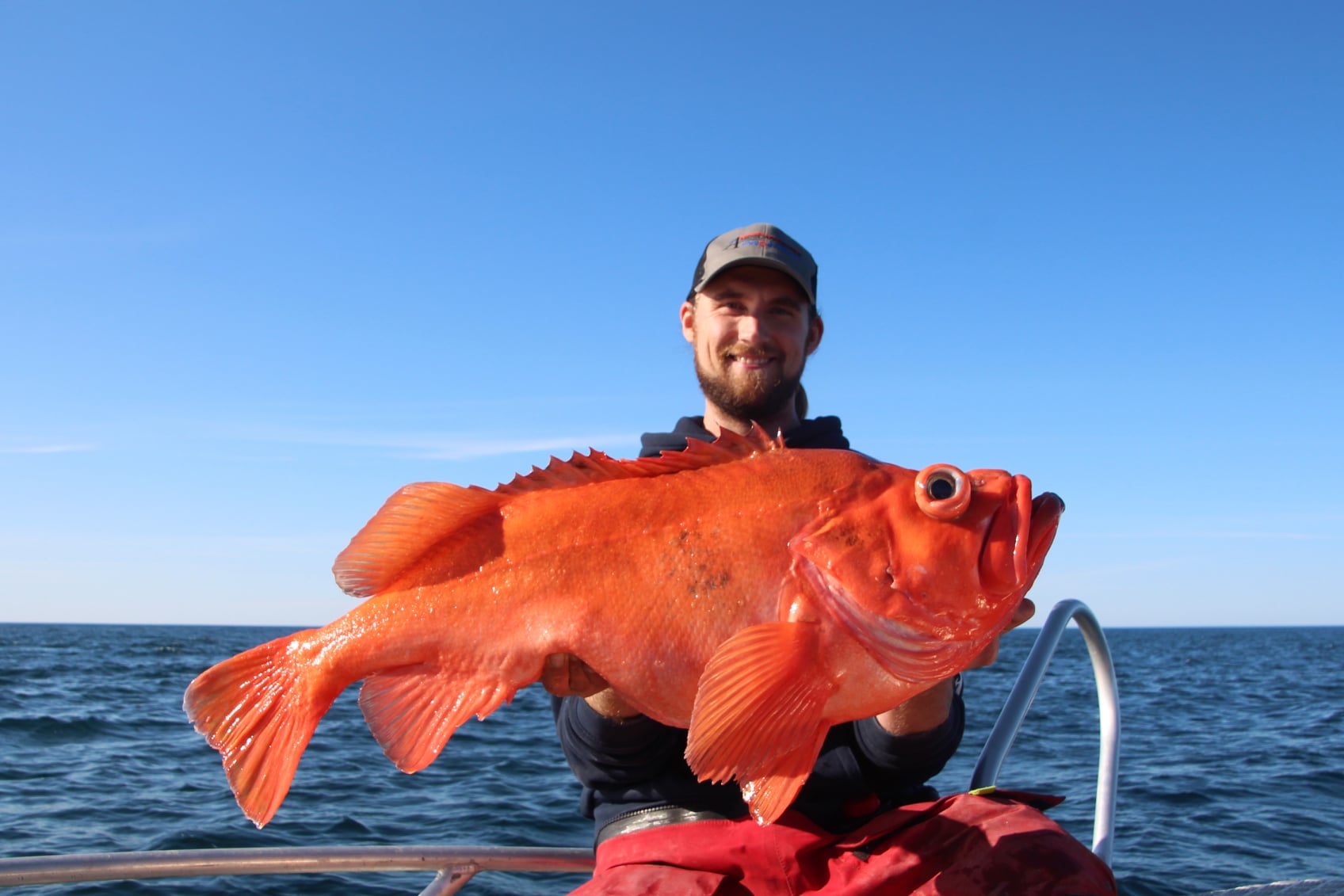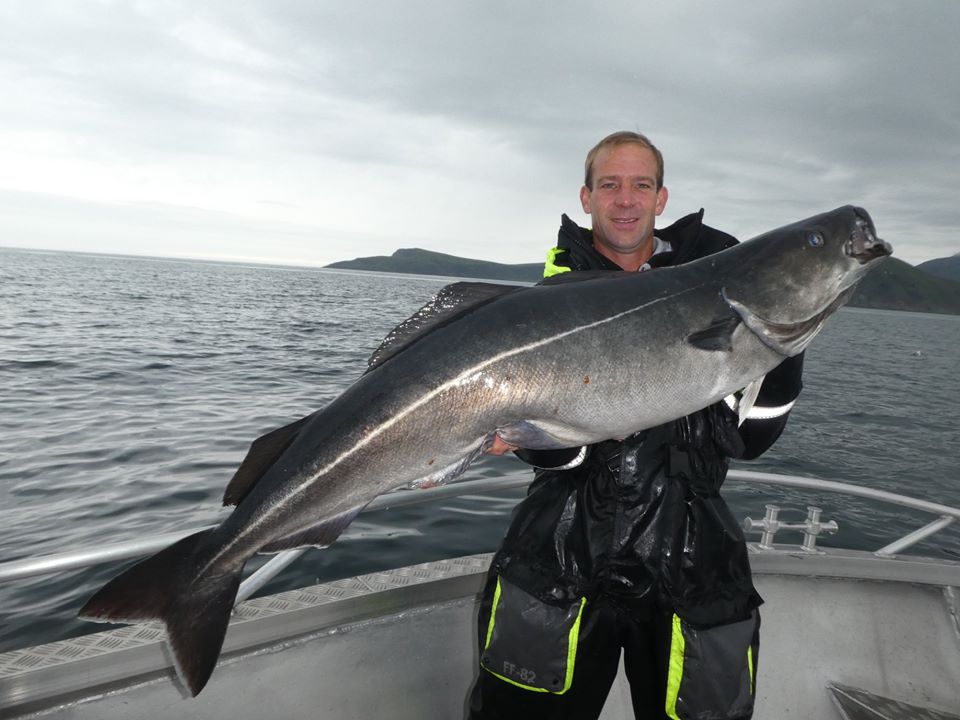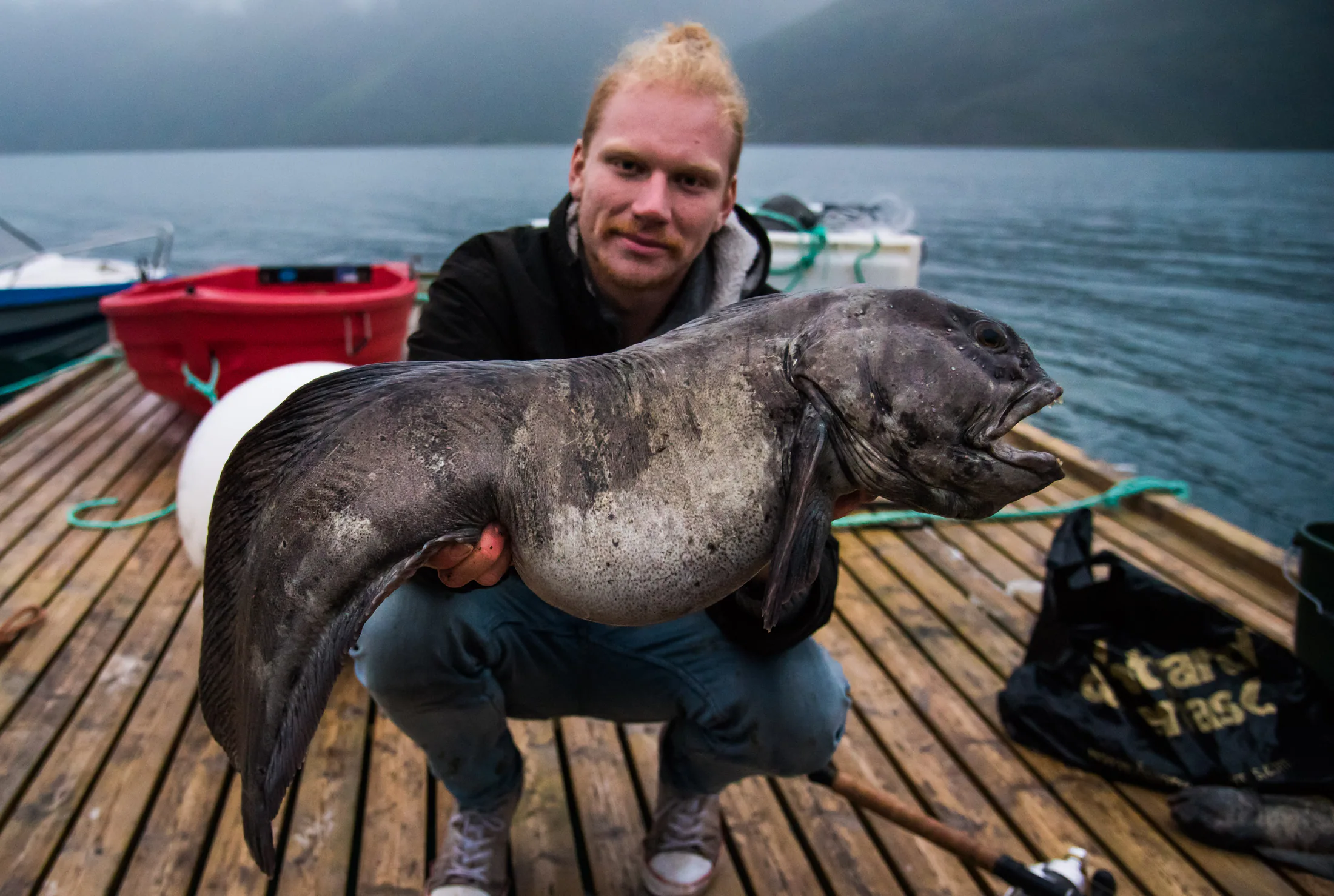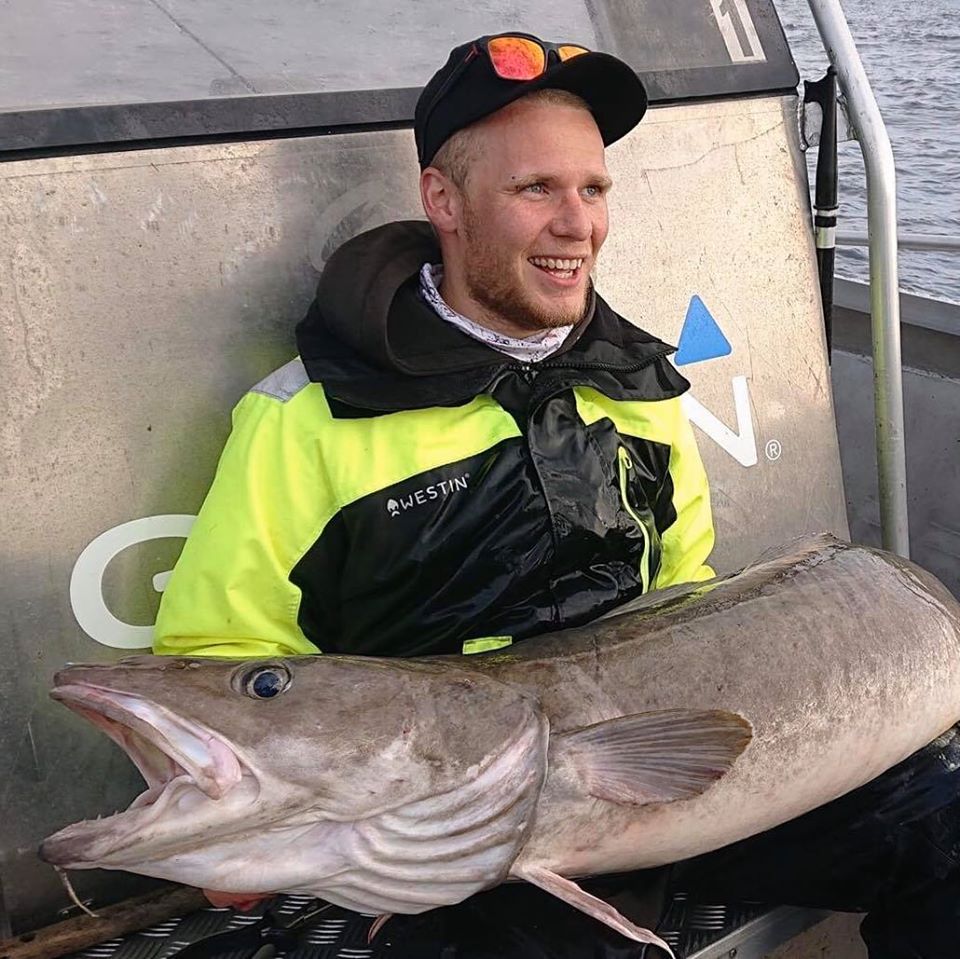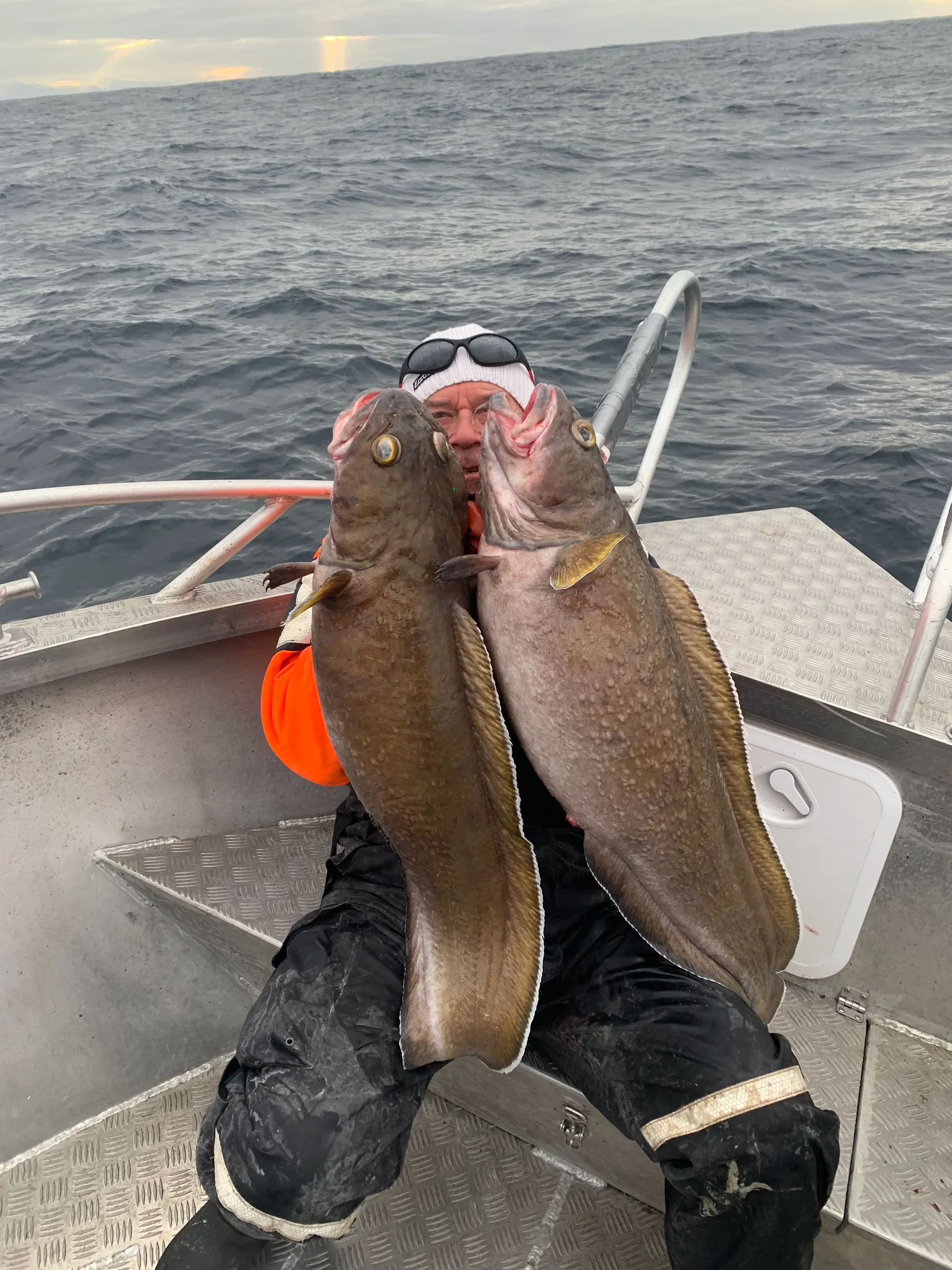
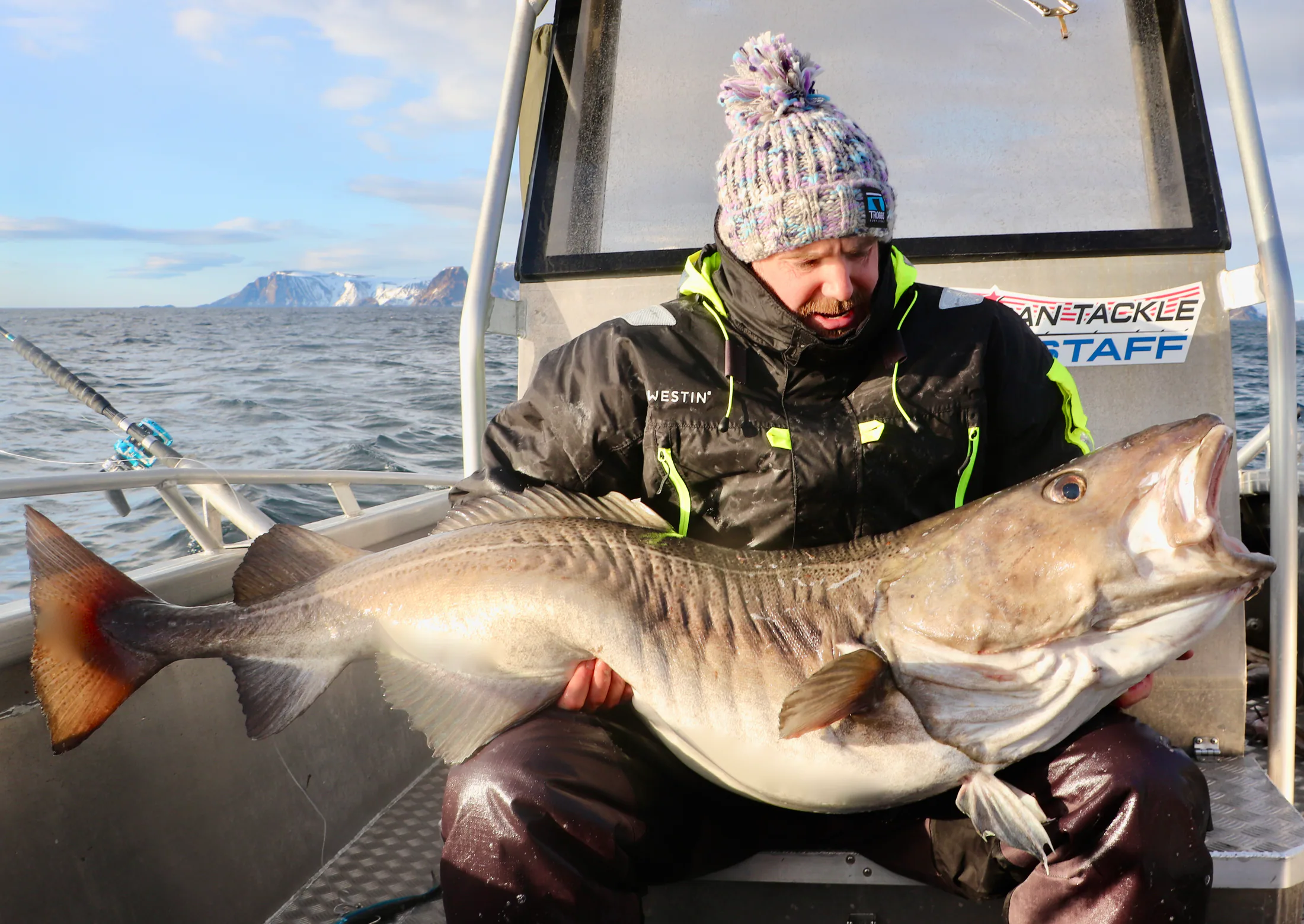
Skreien är vandringstorsken som kommer ned från Barents hav för att leka längs den norska kusten. Av någon anledning så är medelvikten på Sørøya överlägsen alla andra områden. Det fångas fler 30 kg+ i vår fjord och området utanför än vad det gör i hela resten av Norge. Det kommer i snitt mer än en torsk över 40 kg varje år i vårt område och världsrekordet på 47 kg är också härifrån. Ingen annan destination har skreifiske som ens är jämförbart.
Skreien är samma art som kusttorsken, men det är två skilda bestånd som inte blandar sig med varandra. Skreien ser annorlunda ut och blir klart större. De har i regel bredare huvud och kropp, ljusare färger och större tänder. de har dessutom mycket vitare och godare kött och är i en helt annan kondition än en vanlig torsk. En stor skrei gör ofta aggressiva rusningar medan en kusttorsk bara stångar och rullar lite.
Skreifisket är vansinnigt roligt. Antagligen finns det inget annat fiske i världen där man kan fånga så mycket stor fisk som vid skreifiske. Det är inga problem att landa ett ton torsk per person och dag och man måste därför försöka selektera ut de stora individerna för att orka fiska på. Det finns mycket man kan göra för att rikta sitt fiske efter stor fisk och vi ger er all information när ni anländer.
30 kg+ är ett ganska rimligt mål att sätta upp men de fiskarna är inget man åker upp och bara hämtar. 20 kg ska man kunna landa varje dag om man inte har väldig otur eller är väldigt ovan vid havsfiske. Ungefär 75% av våra gäster får en 25 kg+ torsk på en vecka under skreisäsongen. När man träffar rätt så kan man ha en medelvikt över 20 kg i flera timmar och då är det kul att fiska torsk. Har ni några frågor kring utrustning eller något annat så är ni såklart varmt välkomna att höra av er till oss.
Säsongen är från att vi öppnar första veckan i mars till slutet av april och ofta en bit in i maj. Vädret är ofta bättre i april men leken sker ofta mellan den 8-25/4 och ju fler fiskar som har lekt desto svårare att fånga en 30 kg+. 20 kg+ blir dock ännu lättare när de har lekt färdigt eftersom de är extremt hungriga och man fångar många fler långa fiskar än vad man gör på förleksfisket.
Camprekordet ligger för närvarande på 39,9 kg och 159 cm och fångades av Thomas Barkemo från Umeå.